
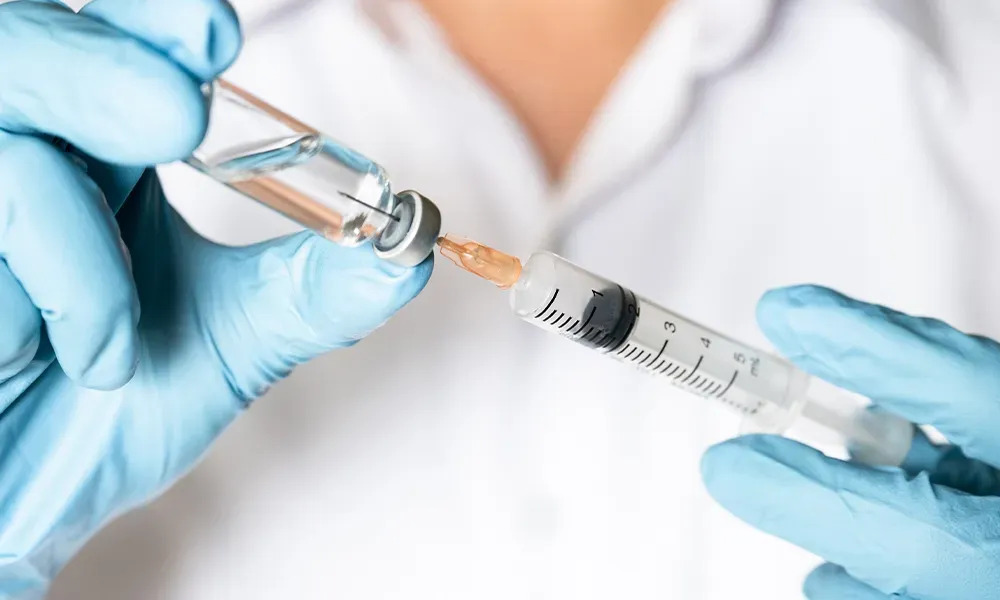
In analytical research, converting a lyophilized peptide cake into a stable liquid solution is a critical step. The choice of solvent, pH environment, and mixing protocol directly influences compound solubility, peptide stability, and the prevention of aggregation.
Understanding the interaction between lyophilized peptides and different liquid diluent matrixes ensures accurate concentration calculations and repeatable testing parameters.
Selecting the Proper Diluent: Bacteriostatic vs. Sterile Water
The choice of solvent depends on the duration and design of the experimental model.
Bacteriostatic Water (0.9% Benzyl Alcohol)
Purpose: Preserved solvent designed for multi-dose vial entry.
Mechanism: The inclusion of 0.9% benzyl alcohol acts as a bacteriostatic agent, inhibiting potential microbial growth after initial vial access.
Best Used For: Extended study protocols where a single reconstituted vial will be accessed repeatedly over multiple days or weeks.
Sterile Water for Injection
Purpose: Unpreserved, pure aqueous solvent.
Mechanism: Contains no antimicrobial agents or additives, minimizing potential solvent interactions in sensitive cellular assays.
Best Used For: Immediate single-use applications or specific cell-culture studies sensitive to organic solvents like benzyl alcohol.
Acetic Acid or Dilute Buffers
Purpose: Specialized pH-adjusting solvents.
Mechanism: Certain hydrophobic or basic peptides require an acidic environment (such as 0.1% to 1.0% acetic acid) to protonate sequence residues and facilitate full dissolution.
Solubility Mechanisms and Hydrophobic Sequences
Not all peptides dissolve instantaneously in plain water. A peptide’s overall solubility is determined by its specific amino acid sequence and net charge:
Hydrophilic Sequences: Rich in charged amino acids (such as Lysine, Arginine, or Glutamic Acid), these dissolve rapidly in standard aqueous diluents.
Hydrophobic Sequences: Peptides containing high concentrations of non-polar amino acids (such as Leucine, Isoleucine, Valine, or Phenylalanine) may resist rapid dissolution or form gel-like suspensions in neutral water.
When encountering hydrophobic resistance, gentle agitation or subtle pH adjustment allows sequence protonation without disrupting the primary peptide chain.
Best Practices for Reconstitution in Laboratory Settings
To avoid physical shear stress and preserve structural integrity during reconstitution, follow these standard handling parameters:
Temperature Equilibrate: Allow the vacuum-sealed vial to reach room temperature before inserting a needle. This prevents moisture condensation inside the vial when opened.
Wall-Directed Injection: Direct the diluent stream against the inner glass wall of the vial rather than shooting the liquid directly onto the lyophilized cake.
Passive Dissolution: Allow the solvent to absorb naturally into the crystalline matrix. Swirl the vial gently in a circular motion. Never shake a reconstituted peptide, as mechanical friction can cause denaturing and structural aggregation.
Visual Inspection: Ensure the solution is completely clear and free of particulate matter before proceeding with assay measurements.
Precision Standards at Axova Research
At Axova Research, we provide high-purity, batch-tested synthetic peptides accompanied by comprehensive analytical documentation. Ensuring proper reconstitution protocol safeguards compound fidelity and delivers precise, reproducible experimental outcomes.
Axova Research supplies reference peptides to verified laboratories for research purposes only. Because you did not confirm you are 21 years of age or older and agree to our terms, access is not permitted.