
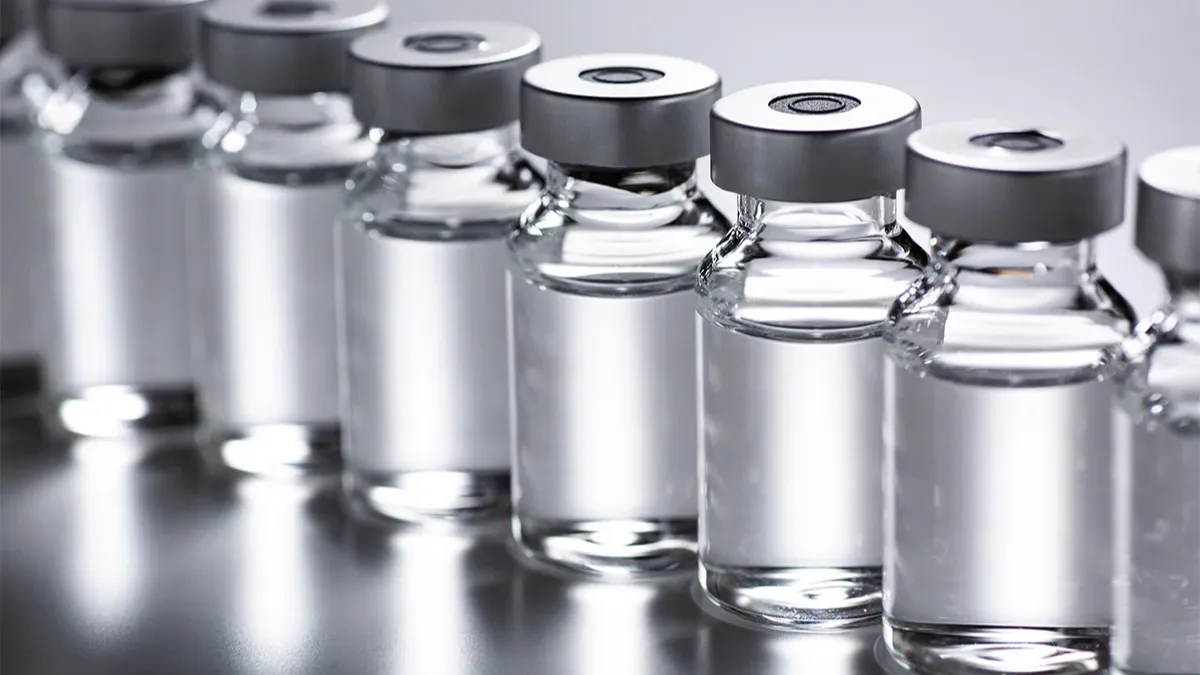
Proper handling, reconstitution, and storage protocols are critical to preserving the structural integrity and bioactivity of lyophilized research peptides. Because reconstituted peptides are vulnerable to enzymatic degradation, thermal breakdown, and chemical hydrolysis, adhering to standardized laboratory practices ensures long-term stability and experimental reproducibility.
In their lyophilized (freeze-dried) state, research peptides form a stable crystalline cake. In this form, moisture is removed under vacuum, dramatically reducing the rate of chemical degradation and allowing for extended storage at -20C to -80C.
However, once a peptide is dissolved in a liquid diluent, its molecular bonds—particularly disulfide bridges and sensitive amino acid residues (such as methionine, cysteine, and tryptophan)—become susceptible to oxidation and hydrolysis. Proper diluent selection is the first line of defense.
Selecting the correct solvent depends on whether the peptide will be used immediately or stored for multi-dose applications over several days or weeks.
Sterile Water for Injection (SWFI): SWFI contains no preservative agents. While ideal for single-use assays or sensitive cell cultures where benzyl alcohol might interfere with cellular viability, any unused reconstituted solution must be used immediately or discarded.
Bacteriostatic Water (BAC): BAC contains 0.9% benzyl alcohol, which acts as a bacteriostatic preservative. It inhibits the growth of potential bacterial contaminants introduced during repeated vial punctures, allowing multi-dose reconstituted solutions to remain stable under refrigeration 2C to 8C for up to 28 days.
Physical handling during the addition of diluent directly impacts peptide recovery. Aggressive mechanical force can shear delicate peptide chains or induce aggregation.
Equilibrate to Room Temperature: Before reconstituting, allow the lyophilized vial to sit at room temperature for 10–15 minutes. Reconstituting a cold vial can cause condensation inside the stopper, altering volume precision.
Slow Wall-Stream Addition: Gently inject the bacteriostatic water down the inside glass wall of the vial rather than shooting the liquid stream directly onto the lyophilized cake.
Gentle Swirling: Never shake or vigorously agitate a peptide vial. Swirl the vial gently in a slow circular motion until the solute is completely dissolved into a clear, homogenous solution.
For long-term storage of reconstituted peptides, aliquoting is mandatory.
When a reconstituted solution undergoes repeated freezing and thawing, ice crystal formation generates physical shear stress, while localized concentration gradients destabilize secondary and tertiary protein structures. Repeated freeze-thaw cycles lead to denaturation, precipitation, and reduced potency.
The Aliquoting Protocol:
Divide Stock into Single-Use Volumes: Immediately following initial reconstitution, divide the stock solution into small, single-use polypropylene microtubes or sterile vials based on your daily working volume.
Flash Freezing (Optional but Recommended): Rapid freezing minimizes ice crystal size, preserving peptide structure.
Store at -20C to -80C Place the aliquoted microtubes in deep cold storage.
Single-Thaw Rule: Thaw individual aliquots as needed at 2C to 8Cprior to an experiment. Once an aliquot is thawed, it should never be re-frozen.
Unreconstituted Lyophilized Vials: Store long-term at -20C protected from light.
Reconstituted Working Vials (with BAC Water): Store at 2C to 8C for up to 28 days.
Long-Term Reconstituted Stocks: Aliquot into single-use volumes and store at -20C to -80C, avoiding frost-free freezers (which cycle temperatures automatically).
At Axova Research, our lyophilized peptide compounds are manufactured to strict structural purity specifications, providing researchers with maximum stability and reproducible analytical results when paired with proper laboratory handling.
Axova Research supplies reference peptides to verified laboratories for research purposes only. Because you did not confirm you are 21 years of age or older and agree to our terms, access is not permitted.